

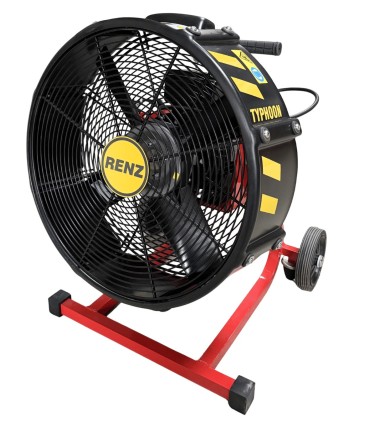

18E2.2 Electric Positive Pressure Fan
Reference: 41745
€2,570.83
(tax excl.)
€2,570.83
(tax excl.)
The TYPHOON 18E2.2 positive-pressure fan is the standard electrical equipment for indoor ventilation used by firefighters and industrial professionals. Quiet and emission-free, it delivers an airflow rate of 14,000...
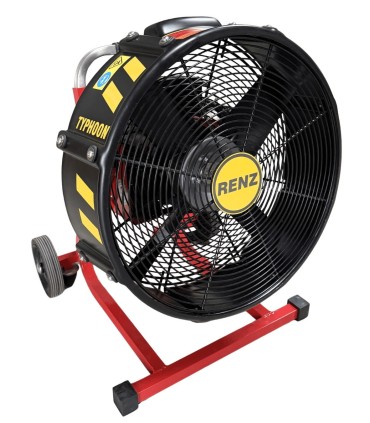
18E3.0_FU Electric Positive Pressure Fan
Reference: 41765
€3,546.43
(tax excl.)
€3,546.43
(tax excl.)
The TYPHOON 18E3.0-FU positive-pressure fan is a variable-speed electric unit designed for professionals seeking precise control. Its variable-frequency drive finely adjusts the airflow from 0 to 16,500 m³/h, and the...
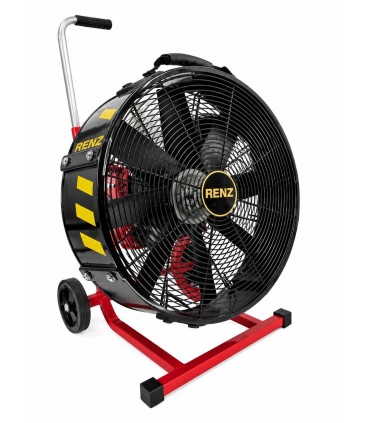
18H5 Thermal Positive-Pressure Fan
Reference: 41781
€2,929.17
(tax excl.)
€2,929.17
(tax excl.)
The TYPHOON 18H5 positive-pressure fan is the compact and agile model in the thermal fan lineup, designed for firefighters and industrial professionals. Equipped with a 5 CH Honda GX160 engine, it delivers an airflow...
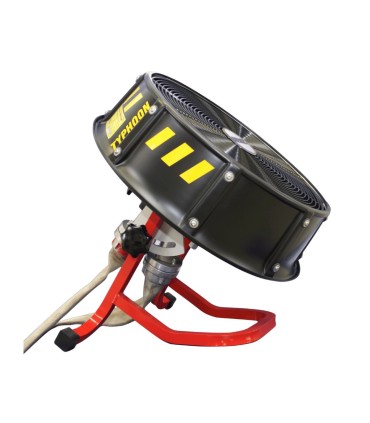
18W10 Hydraulic Positive Pressure Fan
Reference: 41743
€3,729.36
(tax excl.)
€3,729.36
(tax excl.)
The TYPHOON 18W10 positive-pressure fan is the industry-standard hydraulic equipment for stationary industrial installations. Mounted on a frame and weighing only 15 kg, it operates without electricity or fuel thanks...
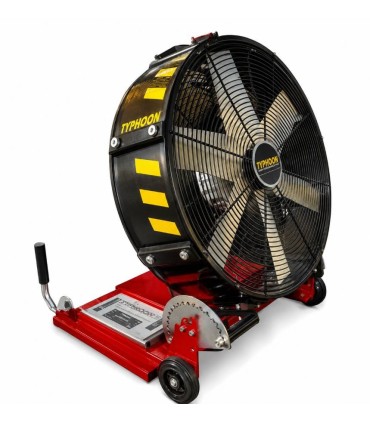
21AF.1 Battery-Powered Positive Pressure Ventilator
Reference: 41782
€7,125.00
(tax excl.)
€7,125.00
(tax excl.)
The TYPHOON 21AF.1 positive-pressure ventilator redefines emergency ventilation thanks to its 48V lithium-ion battery and included charger. Mounted on a chassis, it delivers an airflow of 12,000 m³/h while weighing 25...
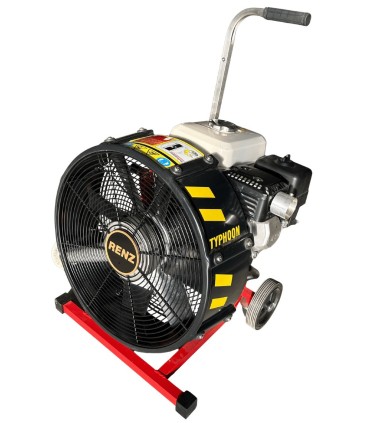
21E2.2 Electric Positive Pressure Fan
Reference: 41764
€2,874.07
(tax excl.)
€2,874.07
(tax excl.)
The TYPHOON 21E2.2 positive-pressure fan is a high-performance solution designed for smoke extraction and ventilation in medium- to large-sized indoor spaces. Equipped with a 2.2 kW 230 V / 50 Hz electric motor...
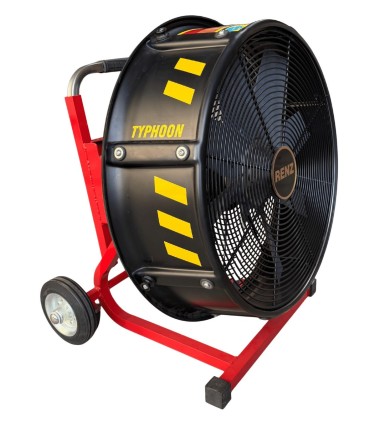
21E3.0-FU Electric Positive Pressure Fan
Reference: 41766
€3,889.22
(tax excl.)
€3,889.22
(tax excl.)
The TYPHOON 21E3.0-FU positive-pressure fan combines power and precision. Its variable-frequency drive allows for fine-tuning of the airflow from 0 to 21,000 m³/h, with a weight of 30 kg. Quiet and fuel-free, it...
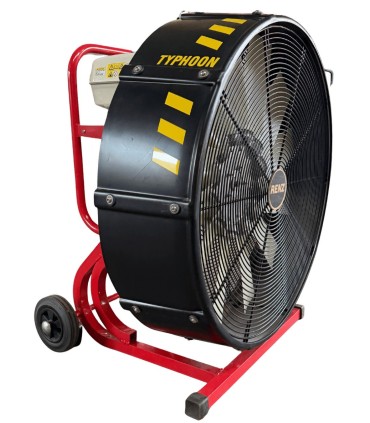
21H6.5 Thermal Positive-Pressure Fan
Reference: 41741
€3,101.79
(tax excl.)
€3,101.79
(tax excl.)
The TYPHOON 21H6.5 positive-pressure fan is the well-balanced model in the thermal line, designed for firefighters and industry professionals. Equipped with a 6.5 CH Honda GX200 engine, it offers the best balance of...
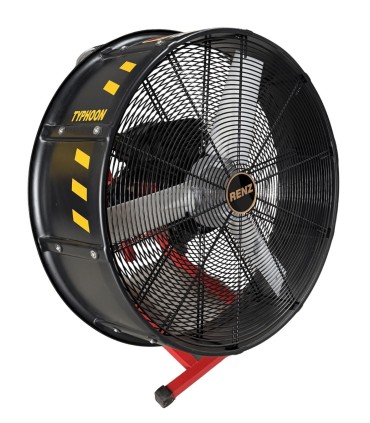
30E Electric Positive Pressure Ventilator
Reference: 41767
€6,889.22
(tax excl.)
€6,889.22
(tax excl.)
The TYPHOON 30E positive-pressure fanis the most powerful electric model in the TYPHOON line, designed for industrial sites and fire stations with a suitable power supply. Its variable-frequency drive allows for...
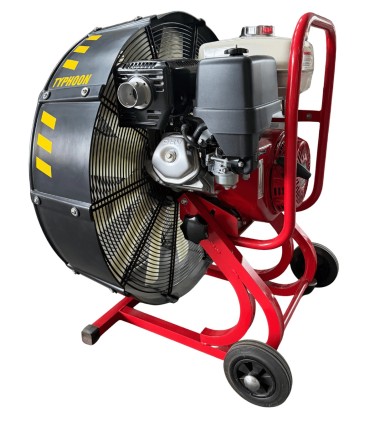
30H13 Thermal Positive-Pressure Fan
Reference: 41742
€4,564.29
(tax excl.)
€4,564.29
(tax excl.)
The TYPHOON 30H13 positive-pressure fan is the most powerful model in the entire line, designed for firefighters and industrial professionals. Equipped with a 13 CH Honda GX390 engine, it delivers an exceptional...
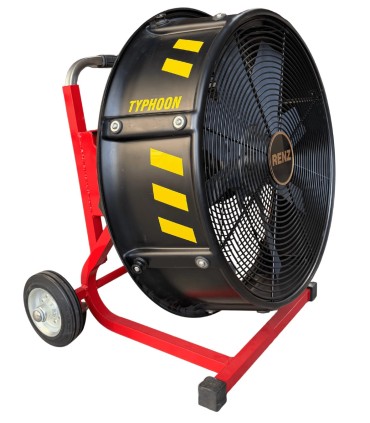
ATEX 18EEx1.5-FU Electric Positive Pressure Fan
Reference: 41801
€5,994.04
(tax excl.)
€5,994.04
(tax excl.)
The TYPHOON 18EEx1.5-FU is a compact,ATEX-certified 18" electric fan designed for use in industrial environments where there is a risk of explosive atmospheres. Its 1.5 kW Ex-rated motor, combined with a frequency...
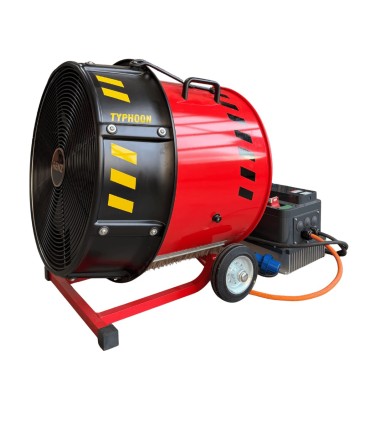
ATEX 21EEx2.2 Electric Positive Pressure Fan
Reference: 41802
€6,661.31
(tax excl.)
€6,661.31
(tax excl.)
The TYPHOON 21EEx2.2-FU is a 21" ATEX-certifiedelectric fan designed for ventilating potentially explosive atmospheres. Its 2.2 kW Ex-rated motor, combined with a frequency converter, allows the airflow to be...
Showing 1-12 of 19 item(s)
 English
 Français
 Deutsch
 Español
Please sign in first.
Sign in