A 4-gas monitor for monitoring a work area
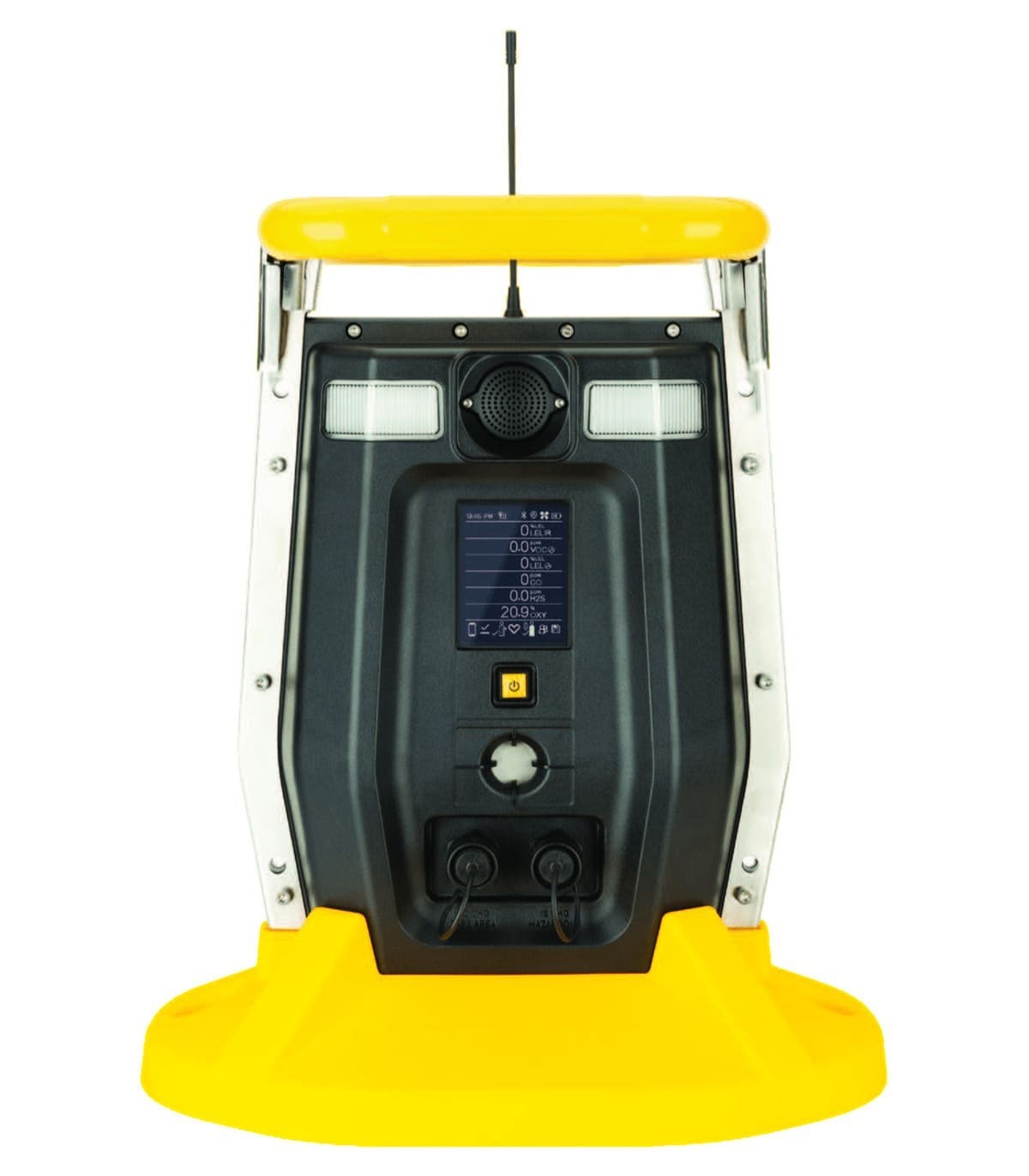
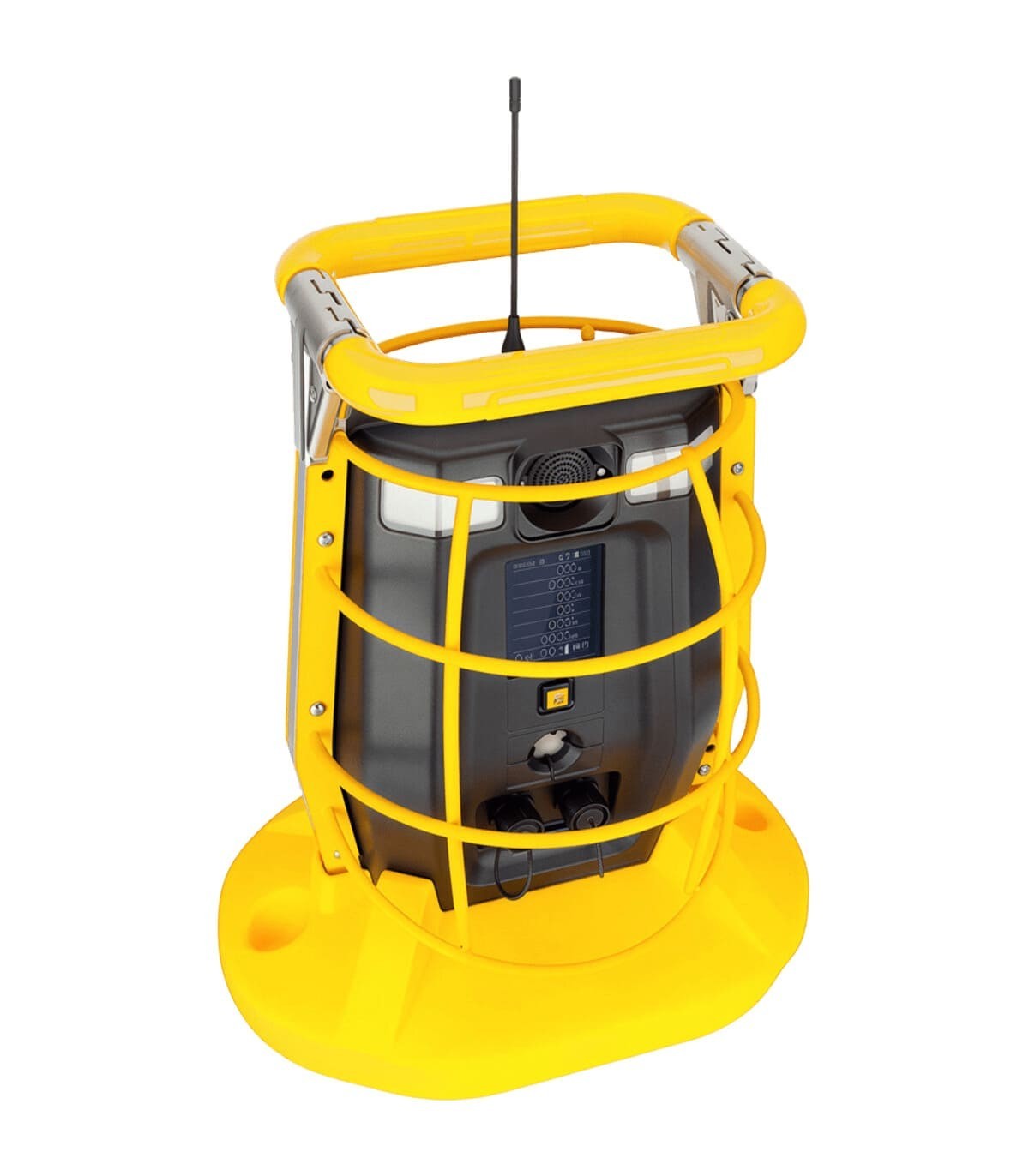
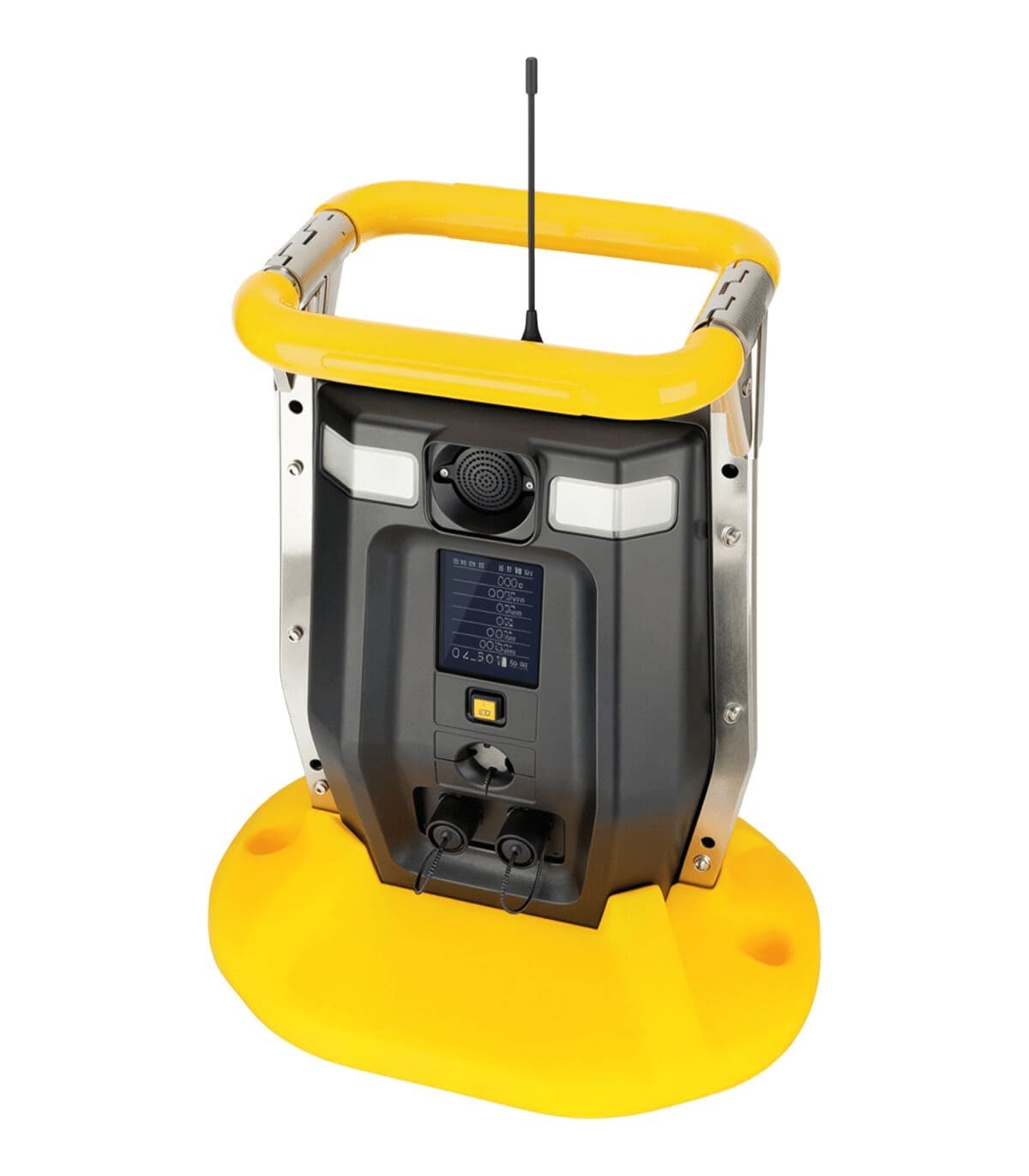
The Honeywell BW RigRat is a portable multi-gas monitor designed for continuous monitoring of the atmosphere in a work area. Unlike a personal detector worn by an operator, it is positioned within the area to be monitored in order to detect a hazardous situation and alert those present.
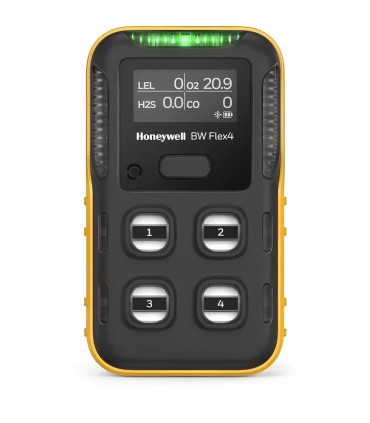
The model shown uses diffusion detection and simultaneously monitors four parameters: combustible gases expressed as a percentage of the lower explosive limit (% LEL), oxygen (O₂), carbon monoxide (CO), and hydrogen sulfide (H₂S).
This configuration is particularly well-suited for industrial maintenance operations, plant shutdowns, temporary work, construction sites, and operations requiring collective atmosphere monitoring. The BW RigRat can thus be used in conjunction with personal multigas detectors worn by workers.
Simultaneous Detection of LEL, O₂, CO, and H₂S
The configuration we offer combines four sensors to monitor the main risks associated with hazardous atmospheres: the presence of combustible gases, oxygen deficiency or enrichment, and the presence of toxic gases.
| Gas / Measurement |
Measurement range |
Resolution |
Temperature Range |
| Combustible gases – LEL |
0 to 100% LEL |
1% LEL |
–40 to +60 °C |
| Oxygen – O₂ |
0 to 30% vol. |
0.1% vol. |
| Carbon monoxide – CO |
0 to 500 ppm |
1 ppm |
-20 to +50 °C |
| Hydrogen sulfide – H₂S |
0 to 100 ppm |
0.1 ppm |
In this version, LEL measurement is based on a catalytic sensor. The concentration is expressed as a percentage of the LEL, which allows you to monitor its change relative to the lower explosive limit and trigger alarms at configured thresholds.
Need a different configuration? The BW RigRat supports various sensors and communication options. We can advise you on the versions best suited to the gases you need to monitor, your environment, and the requirements of your application.
Alarms Designed for Zone Monitoring
The BW RigRat combines multiple alert methods to quickly signal when a threshold is exceeded. Its audible alarm reaches 108 dBA at 1 meter and is supplemented by visual signals visible in the field.
Its 3.5-inch color TFT LCD screen allows you to view measurements and the device’s status directly on the unit. Data can also be logged to maintain a history of measurements and events.
A rugged design for industrial environments
The diffusion version of the BW RigRat has an IP67 rating, making it suitable for use on construction sites and in demanding industrial environments. Its portable design allows it to be temporarily positioned as close as possible to the area requiring monitoring.
The beacon operates on a high-capacity rechargeable lithium-ion battery. It is also equipped with Bluetooth connectivity, enabling communication with Honeywell-compatible tools.
Important: The battery life of the BW RigRat varies depending on the beacon’s configuration and the installed sensors. It can last up to 8 weeks.
Technical Specifications of the Honeywell BW RigRat
| Type |
Portable multi-gas area monitoring beacon |
| Sampling Method |
Diffusion |
| Number of gases monitored |
4 |
| Gases / measurements |
LIE, O₂, CO, and H₂S |
| LEL technology |
Catalytic sensor |
| Display |
3.5-inch color TFT LCD screen |
| Audible Alarm |
108 dBA at 1 m |
| Protection rating |
IP67 |
| Battery |
Rechargeable lithium-ion 3.7 V / 26.4 Ah |
| Charging time |
Less than 18 hours, with the device turned off |
| Battery Life |
Up to 8 weeks |
| Data logging |
At least 4 months with a 1-minute recording interval |
| Communication |
Bluetooth Low Energy (BLE) |
| Dimensions |
400 × 290 × 470 mm |
| Weight |
Approximately 8 kg |
| Relative humidity |
5 to 95%, non-condensing |
| Certification |
ATEX |
| Warranty |
2 years |
Functional testing, calibration, and maintenance
Like all gas detection equipment, the BW RigRat must undergo regular inspections to verify that its sensors and alarms are functioning properly. A functional test must be performed before use by exposing the sensors to a known concentration of the appropriate gas and verifying that the alarms activate. Calibration is required if the functional test fails. It must also be performed at least every six months, depending on operating conditions, exposure to gases and contaminants, and any applicable regulatory requirements or site-specific procedures.






 English
 Français
 Deutsch
 Español