


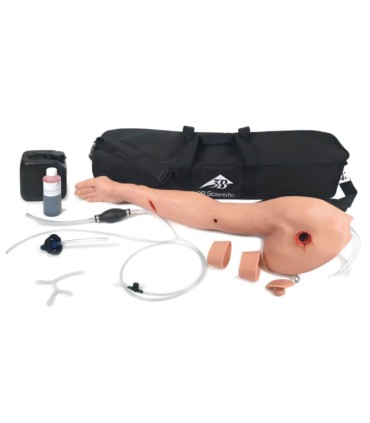
Hemorrhage control training arm
The Hemorrhage Control Simulator is a realistic training arm featuring a variety of wounds and a controlled bleeding system, ideal for practical training in pre-hospital care. It can be used to effectively teach tourniquet application, wound dressing and the use of hemostatic devices in both military and civilian settings. Robust, portable and cost-effective, this tool offers an immersive experience for mastering vital emergency procedures.
Training arm for hemodialysis
The hemodialysis practice arm is a realistic simulator designed to train healthcare professionals, students and patients preparing for hemodialysis. It enables the practice of technical gestures such as needle insertion, fistula management and simulation of blood circulation with artificial blood. Easy to maintain and featuring replaceable components, it offers a safe, immersive learning experience. This model is ideal for intensive and long-term training.
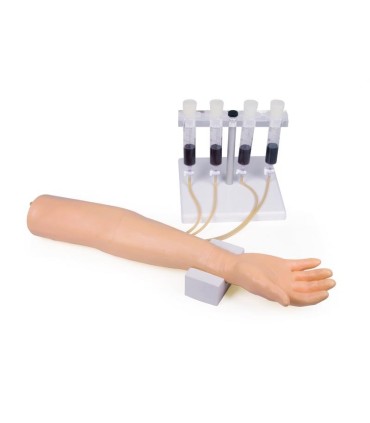
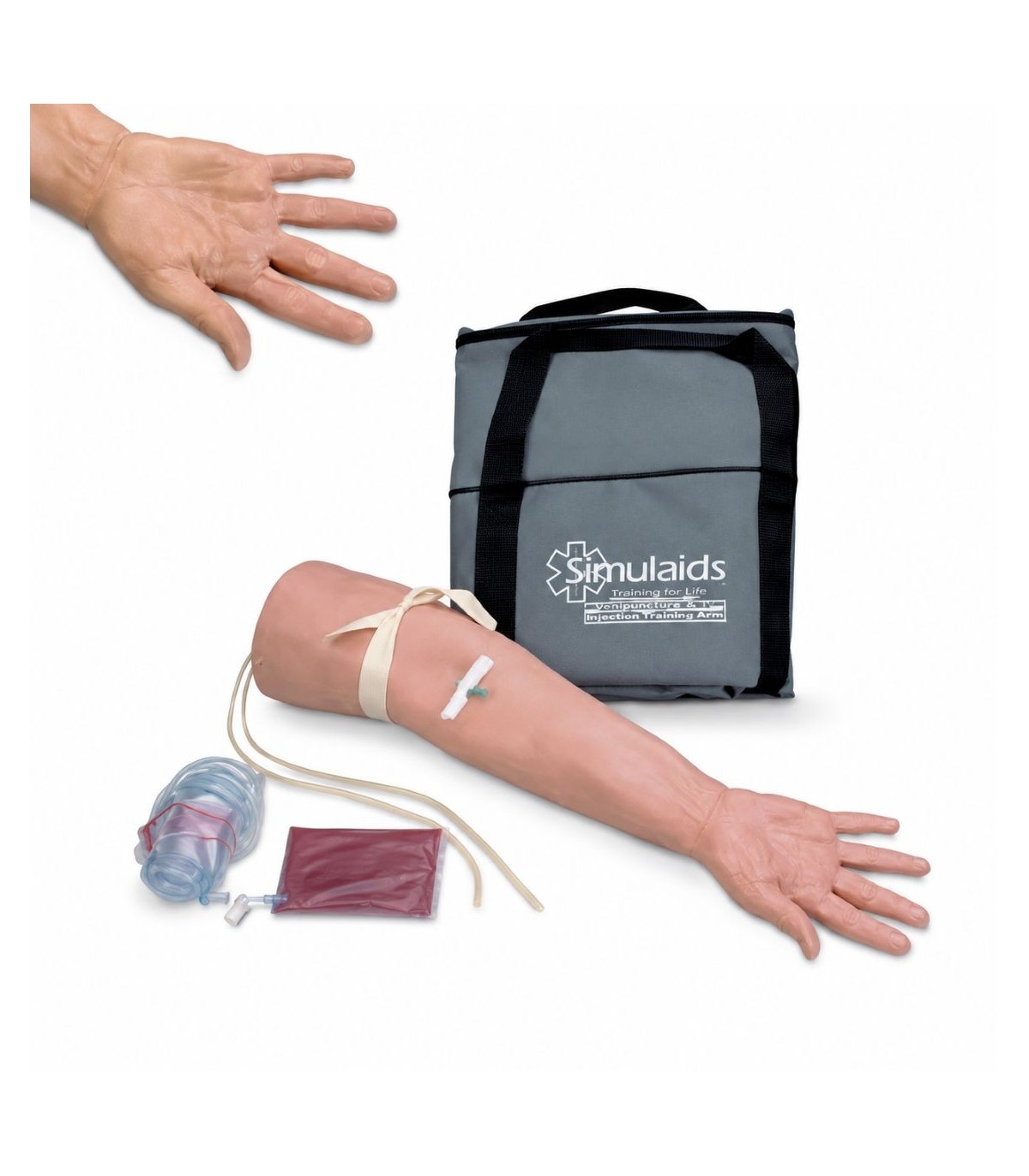
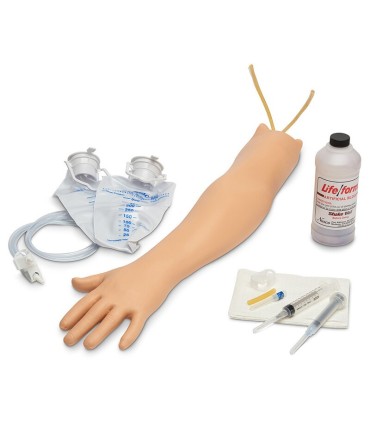
Training arm for intravenous injection and infusion
The intravenous injection and infusion training arm is a realistic model for training healthcare professionals, enabling them to practice injections, infusions and blood sampling. Easy to maintain, it features low-cost replaceable wear parts and is suitable for group training. Supplied with all necessary accessories. Excellent value for money for effective, long-lasting training.
8 other products in the same category:
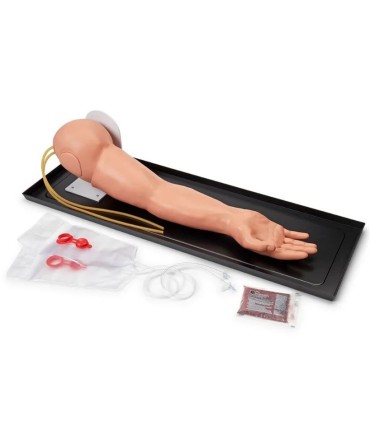
IV training arm - infusion and intramuscular injection simulator
The IV Deluxe training arm is a complete medical simulator for realistic practice of venipuncture, perfusion and intramuscular injections, thanks to its multiple venous accesses and integrated deltoid site. Designed for intensive training use, it features replaceable components and a simulated blood system, guaranteeing durability, repeatability of gestures and safe learning.
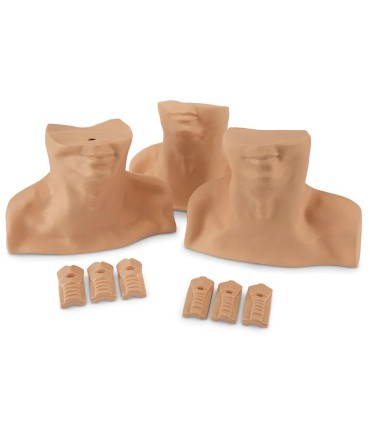
Replacement Kit for Cricothyroidotomy Simulator
The replacement kit for the cricothyroidotomy simulator is designed to restore the training areas used during cricothyroidotomy exercises. It includes 3 skins, 3 adult inserts, and 3 pediatric inserts to extend the educational use of the compatible simulator. This kit is intended for use only with the cricothyroidotomy simulator.
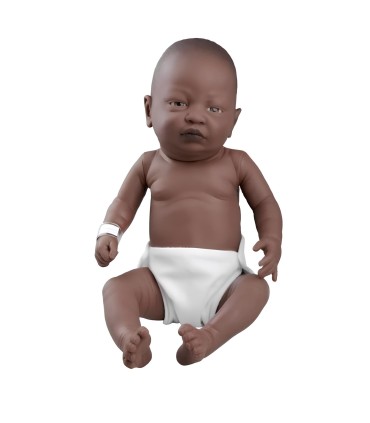
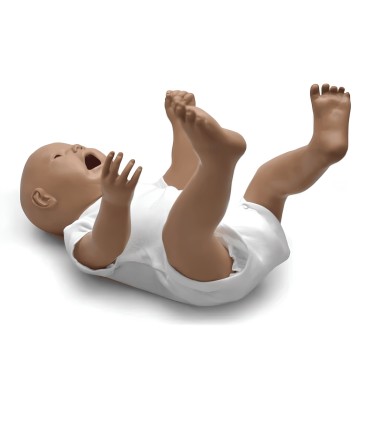
Manikin black skin infant care
The infant care mannequin, with its black skin color, is a realistic teaching tool designed for learning how to care for newborns, offering movable joints, a palpable fontanel and the possibility of dressing with standard clothing, ideal for childcare professionals and students.
Manikin newborn care Susie and Simon
The Susie & Simon newborn care mannequin simulates a full-term infant for neonatal resuscitation and nursing training. It enables CPR, intubation and catheterization to be performed, with interchangeable genitals for greater flexibility. Ideal for health schools and hospitals, it offers realistic, immersive training.
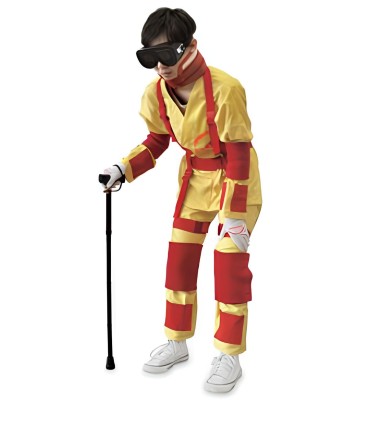
Adult aging simulation device size S/M
This innovative simulation tool offers realistic immersion to raise students' awareness of the physical challenges of aging. Easy to use and adjustable, it is ideal for health and social science training courses, helping to develop empathy and understanding of the limitations of the elderly. This pedagogical tool transforms learning into an engaging and educational experience.
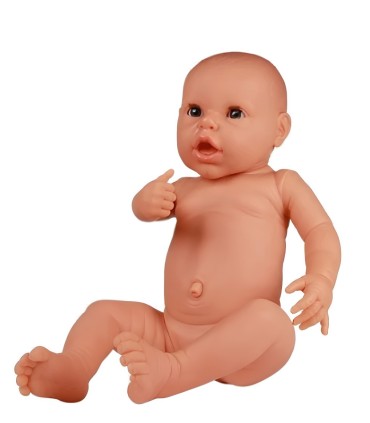
Manikin neonatal care
This newborn mannequin is designed to simulate the movements and care of a real baby, offering hands-on learning of gestures such as changing and bathing.
Available in male and female versions, they are ideal for group or individual training in early childhood and infant care. Their movable joints enable a variety of manipulations to be reproduced, and they are easy to maintain. These mannequins are robust teaching aids for intensive use.
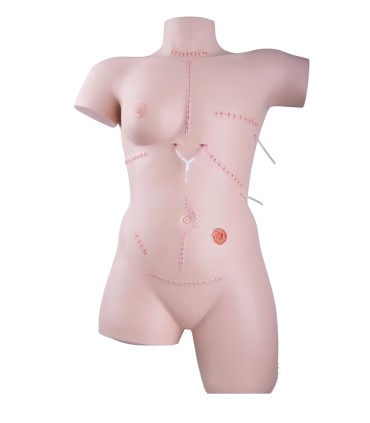
Wound care and dressing techniques simulator
The Wound Care and Dressing Techniques Simulator provides realistic training for nurses, allowing them to practice treating a variety of surgical wounds and traumas with commercial products. Designed to meet hygiene standards, it helps hone skills in post-operative care and dressing management. An essential tool for practical, high-quality preparation of healthcare professionals.
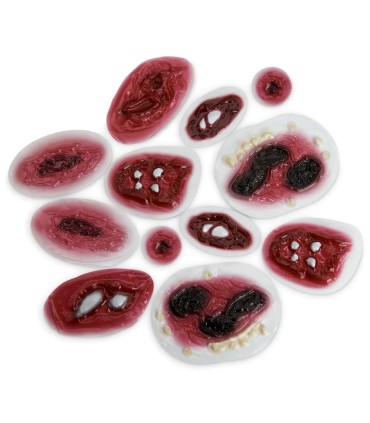
Set of 12 simulated wound models
This 12-piece assortment of self-adhesive wound patches is designed to simulate injuries during first aid, emergency care, or casualty management training. Easy to apply, they allow you to quickly create realistic training scenarios for observing, assessing, and practicing first aid techniques.
 English
 Français
 Deutsch
 Español
Please sign in first.
Sign in